















Johor
With a land cover of 19,210 square kilometres, Johor is the third largest and the southernmost state in Peninsular Malaysia. The state is serviced by its state capital, Johor Bahru and supported by a fairly new international airport, the Senai International Airport. Johor has 3 IBAs (MY13, MY14 and MY15) and also has 3 out of 7 Ramsar sites in Malaysia.
- Contact Info
- Southern Johor Forestry Office
- www.johornationalparks.gov.my
- Johor National Parks Corporation
- Tel: 07 226 1301
- www.johornationalparks.gov.my
Gunung Panti Recreational Forest – Panti Bird Sanctuary (Northern Area)
Species Count : +380 bird species.
Habitat : The area comprises extensive lowland dipterocarp forests.
Visitor Experience : Birdwatching is typically conducted along the main logging trails, forest roads, and smaller footpaths radiating from the main entrance of the recreational forest.
Resident Birds : Malaysian Rail-babbler, Cinnamon-rumped Trogon, Scarlet-rumped Trogon, Black Hornbill, Red-naped Trogon, Grey-breasted Babbler, Malaysian Honeyguide, and Crested jayshrike.
Migratory Birds (August–March) : Amur Paradise Flycatcher, Black-backed Dwarf-kingfisher, and Arctic Warbler.


Lenggor Forest Reserve
Species Count : +280 bird species.
Habitat : Lenggor Forest Reserve comprises extensive lowland dipterocarp forests.
Visitor Experience : Birdwatching in Lenggor Forest Reserve is typically carried out along logging tracks, forest access roads, and small footpaths that penetrate deep into the reserve.
Resident Birds : Scarlet-rumped Trogon, Diard’s Trogon, Banded Broadbill, Malayan Banded-Pitta, Black-thighed Falconet, Scarlet-breasted Flowerpecker, Cinnamon-rumped Trogon, and Striped Wren-babbler.
Migratory Birds (August–March) : Tiger Shrike, Amur Paradise Flycatcher, and Eastern-crowned Warbler.


Gunung Arong Recreational Forest
Species Count : +260 bird species.
Habitat : The recreational forest is characterized by lowland dipterocarp forests gradually transitioning into hill forest along the hiking trails that lead up to the summit of Gunung Arong.
Visitor Experience : Gunung Arong is a popular destination for nature lovers, hikers, and birdwatchers alike. A well maintained trail leads to the 274-metre summit, which can be reached in under two hours.
Resident Birds : Little Green Pigeon, Rufous-tailed Shama, Chestnut-bellied Malkoha, Chestnut-rumped Babbler, Banded Kingfisher, and Spotted Fantail.
Migratory Birds (August–March) : Tiger Shrike, Amur Paradise Flycatcher, Arctic Warbler, and Dark-sided Flycatcher.

Endau-Rompin National Park
Species Count : +220 bird species.
Habitat : The habitat ranges from lowland dipterocarp forests and riverine ecosystems to hill forests and rugged upland terrain. Dense primary forest dominates most of the landscape, swampy areas, and forest edges near rivers and trails.
Visitor Experience : Birdwatching in Endau-Rompin is a rewarding experience for nature enthusiasts and serious birders alike, though it requires some planning and effort due to its remote location. Trails such as those leading to Buaya Sangkut Waterfall, Upeh Guling, and Kuala Jasin are productive for birdwatching.
Resident Birds : Rhinoceros Hornbill, Straw-headed bulbul, Checker-throated Woodpecker, Great Argus, Red-bearded Bee-eater, Collared Scops Owl, and Red-naped Trogon.
Migratory Birds (August–March) : Brown-chested Jungle Flycatcher, Amur Paradise Flycatcher, Arctic Warbler, and Dark sided Flycatcher.


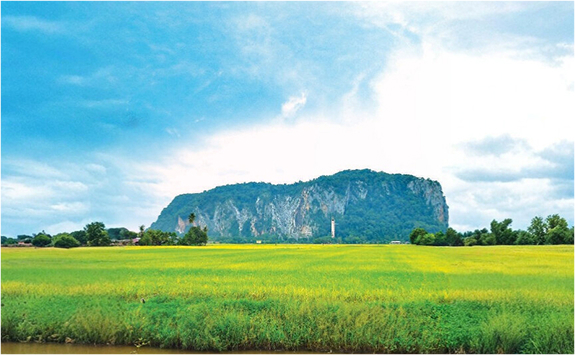
Sungai Balang Rice Fields
Species Count : +180 bird species.
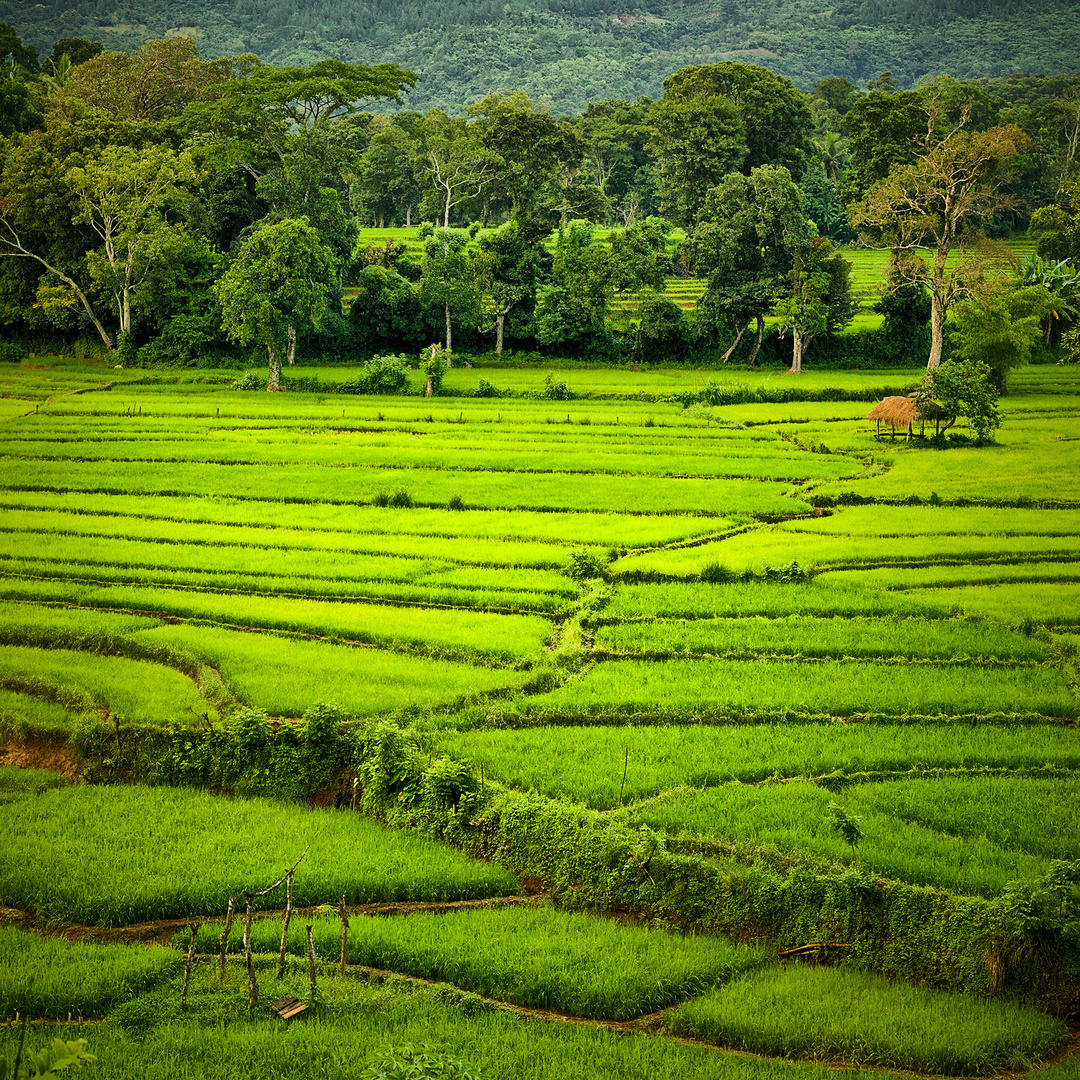
Habitat : The Sungai Balang landscape is dominated by vast rice fields interspersed with irrigation canals.
Visitor Experience : Birdwatching at Sungai Balang is typically done by driving along the network of small roads and levees that crisscross the rice fields.
Resident Birds : Purple Heron, Black-winged Stilt, Black winged Kite, White-breasted Waterhen, Zitting Cisticola, and Grey-headed Swamphen.
Migratory Birds (August–March) : Black-tailed Godwit, Oriental Plover, Common Greenshank, Long-toed Stint, Oriental Pratincole, and Common Greenshank.


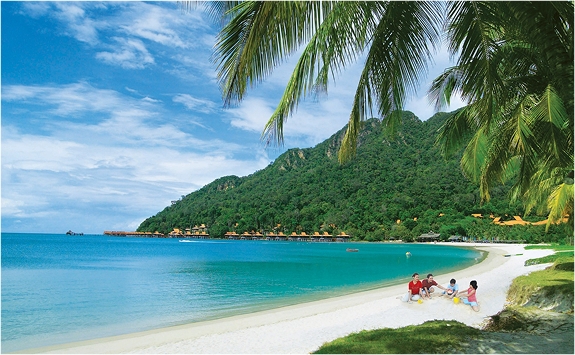
Mersing Beach
Species Count : +120 species.
Habitat : Mersing Beach is a scenic stretch of sandy coastline interspersed with rocky shores.
Visitor Experience : Birdwatching at Mersing Beach is best done during low tide, when extensive mudflats are exposed, attracting large flocks of waders. The site is accessible and suitable for casual birdwatchers, with easy walking along the beach and coastal roads.
Resident Birds : Little Egret, Pacific Reef Heron, White bellied Sea Eagle, Collared Kingfisher, Brahminy Kite, and Malaysian Plover.
Migratory Birds (August–March) : Whimbrel, Common Redshank, Terek Sandpiper, Grey Plover, Tibetan Sand Plover, Greater Crested Tern, Little Tern, Great knot, and Grey-tailed Tattler.