


























Pahang
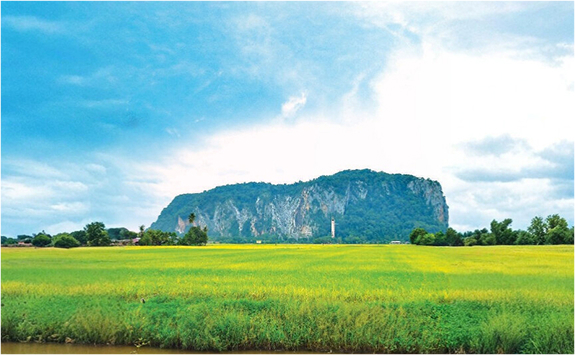
The state of Pahang which lies in the eastern board of Peninsular Malaysia is a state with remarkable resources in terms of natural landscapes and habitat.
Contact Info
- Fraser’s Hill Development Corporation Perbadanan Kemajuan Bukit Fraser
- No 33 & 33A, ICT Hub Indian Town, Jalan Putra Square 4,25200 Kuantan, Pahang
- Tel: 09 568 1623
- Fax: 09 568 1626
- webtourism16@gmail.com
- www.pkbf.org.my
Fraser’s Hill
Species Count : +270 bird species.
Habitat : At an elevation of 900 to 1,200m, Fraser’s Hill is covered with cold montane forest. The area offers a rich habitat supporting an extensive variety of resident and migratory birds with its diverse trees, gardens, and streams.
Visitor Experience : Fraser’s Hill can be reached by road from Kuala Kubu Bharu or Raub. Along calm roads and forest walks, it can provide different birdwatching trails with excellent observation locations.
Resident Birds: Chestnut-capped Laughingthrush, Malayan Whistling Thrush, Red-headed Trogon, Silver-eared Mesia, Collared Owlet and Malayan Partridge.
Migratory Birds (August–March): Mugimaki Flycatcher, Dark-sided Flycatcher, Brown Shrike, and Siberian Thrush.


Bukit Tinggi
Species Count : +150 bird species.
Habitat : Located at 800m above sea level in the Titiwangsa Range, Bukit Tinggi features gardens, secondary growth, and montane forests.
Visitor Experience : Bukit Tinggi is around an hour from Kuala Lumpur. Trails near to the Japanese Village and Colmar Tropicale offer the best birdwatching, especially in the morning.
Resident Birds : Mountain Peacock-pheasant, Ferruginous Partridge, Orange-breasted Trogon, Ochraceous Bulbul, Black-crested Bulbul, and Buff-breasted Babbler.
Migratory Birds (August–March) : Mugimaki Flycatcher, Siberian Blue Robin, Orange-headed Thrush, Eyebrowed Thrush, and Grey Wagtail.


Cameron Highlands
Species Count : +250 bird species.
Habitat : At 1,100–2,000m, the Cameron Highlands have montane forests, tea plantations, and regrowth vegetation.
Visitor Experience : Kuala Lumpur can be reached from Cameron Highlands in roughly three hours. There are boardwalks offering a comfortable and scenic route for birdwatching at the Mossy Forest.
Resident Birds : Chestnut-tailed Minla, Golden-throated Barbet, Rufous-vented Niltava, Himalayan Cutia, Rufous winged Fulvetta, and Brown Bullfinch.
Migratory Birds (August–March) : Eyebrowed Thrush, Mugimaki Flycatcher, and Siberian Thrush.


Kuala Tahan, Taman Negara National Park
Species Count : +370 bird species.
Habitat : With an area 4,343 km2, Taman Negara is home to some of the world’s oldest rainforests.
Visitor Experience : Kuala Tahan is about three to four hours from Kuala Lumpur. Trails such as Bukit Teresek, Lubok Simpon, the Canopy Walkway, and riverboat trips are available to birdwatchers. Campsites, hostels, chalets, and guided birding tours are available.
Potential Bird Sightings :
Resident Birds : Rhinoceros Hornbill, Malayan Crested Fireback, , Diard’s Trogon, Large Green-Pigeon, Banded Kingfisher, and Malaysian Blue Flycatcher.
Migratory Birds (August–March) : Oriental Honey Buzzard, Asian Brown Flycatcher, Dark-sided Flycatcher, and Arctic Warbler.


Rompin State Park
Species Count : +250 bird species.
Habitat : Around 31,797 hectares of lowland and hill forests, rivers, waterfalls, and open areas form the park. Its forests and rivers offer wildlife secure routes across the park and natural habitats.
Visitor Experience : Rompin State Park is three and a half hours away from Kuantan, whereas Kuala Lumpur is f ive hours away. The trails near Lambak Campsite, Jeram Panjang, and Sungai Kinchin are best for birdwatching in the morning or late afternoon. Campsites and guides are available near the park headquarters.
Potential Bird Sightings :
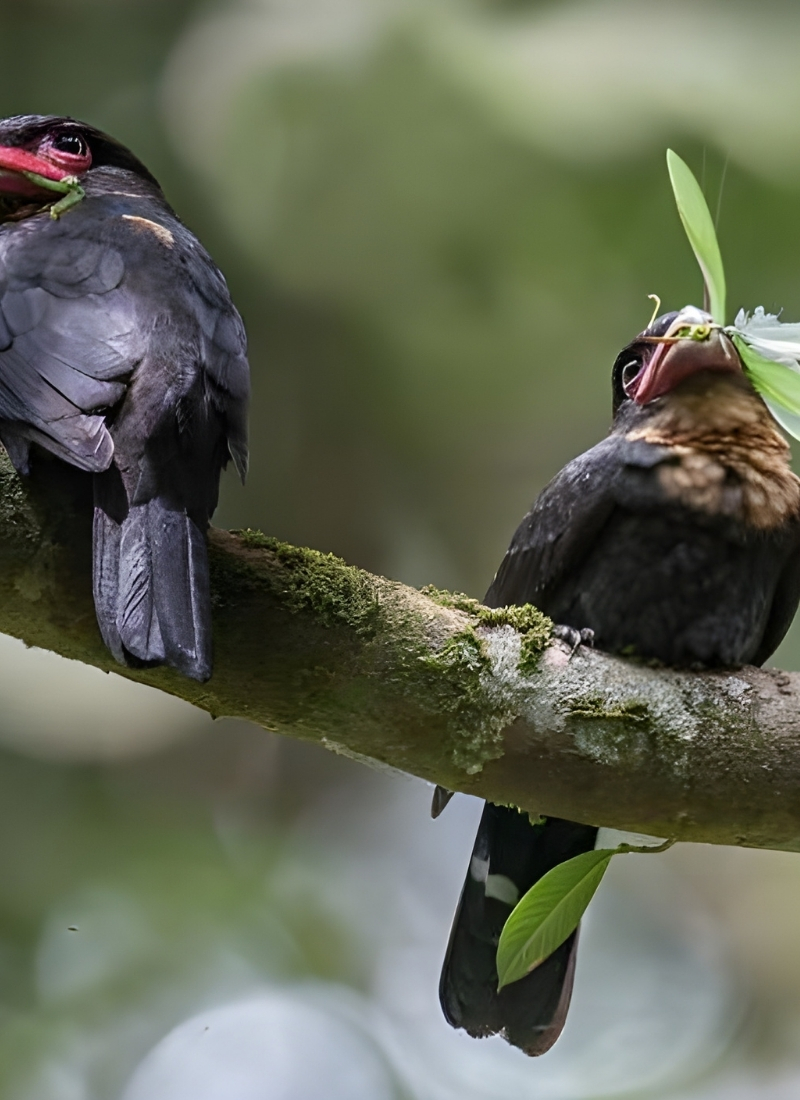
Resident Birds : Garnet Pitta, Great Slaty Woodpecker, Scarlet-breasted Flowerpecker, Dusky Broadbill, Rufous tailed Shama, Garnet Pitta, Crested Jayshrike, and Blue rumped Parrot.
Migratory Birds (August–March) : Oriental Honey Buzzard, Arctic Warbler, Tiger Shrike, Asian Brown Flycatcher, and Eastern Crowned Warbler.




Sungai Relau, Taman Negara National Park
Species Count : +300 bird species.
Habitat : The area is a mosaic of lowland and hill dipterocarp primary rainforests, with the crucial Sungai Relau forming the central riverine habitat. The terrain transitions from f lat, alluvial lowlands and swampy areas near the river to hilly slopes ascending towards Gunung Tahan. Key birding niches, accessible via trails and roads, include patches of dense undergrowth and the food-rich fruiting and flowering understory.
Visitor Experience : A suspension bridge / walkway high above the forest floor (around 40–50m), spanning about 530m through the treetops.
Potential Bird Sightings :
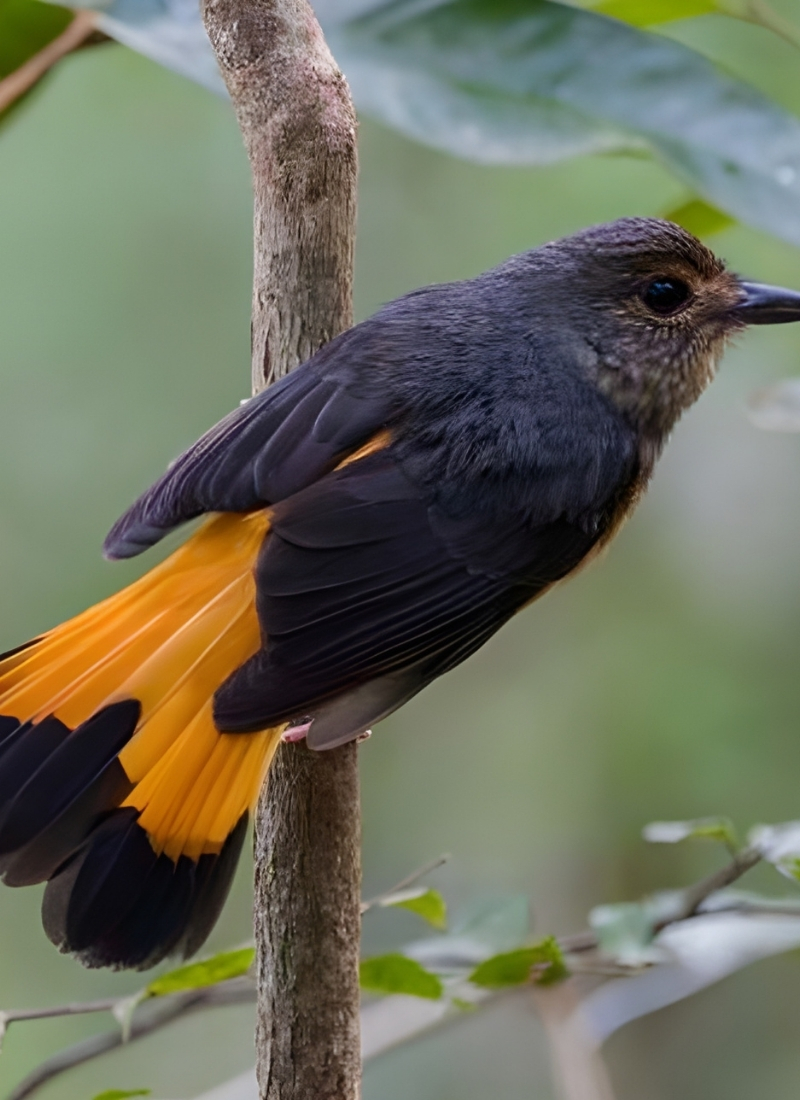
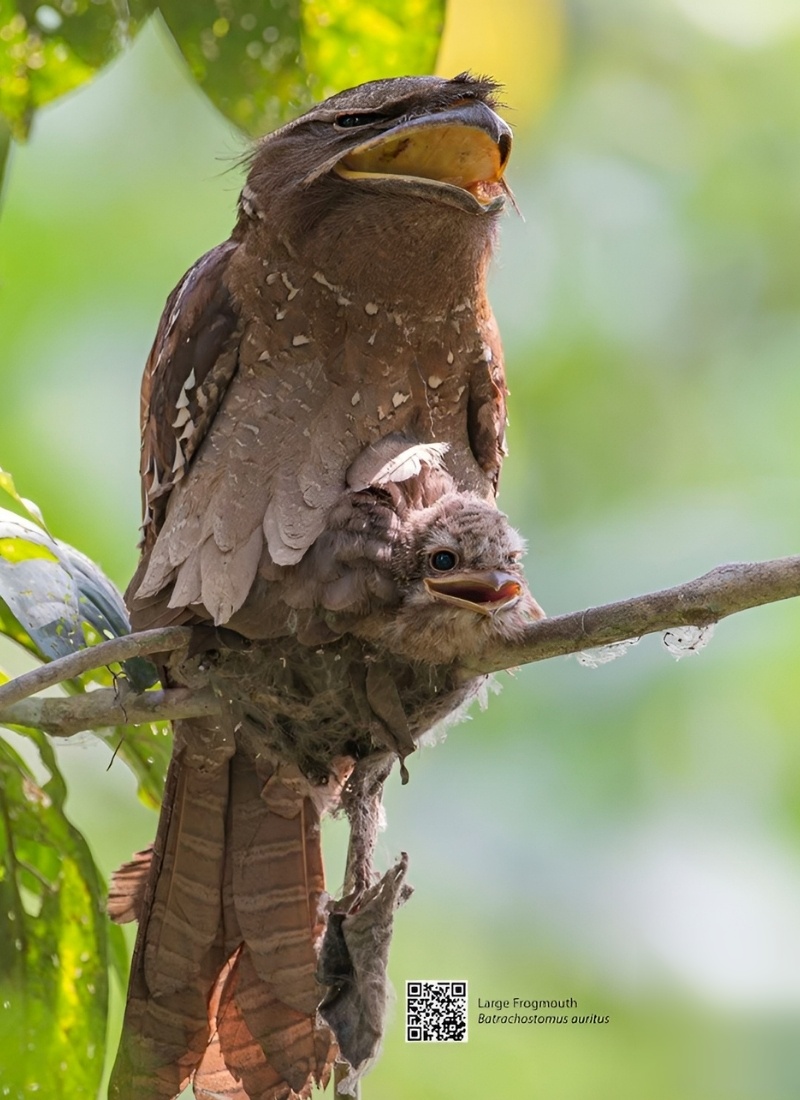
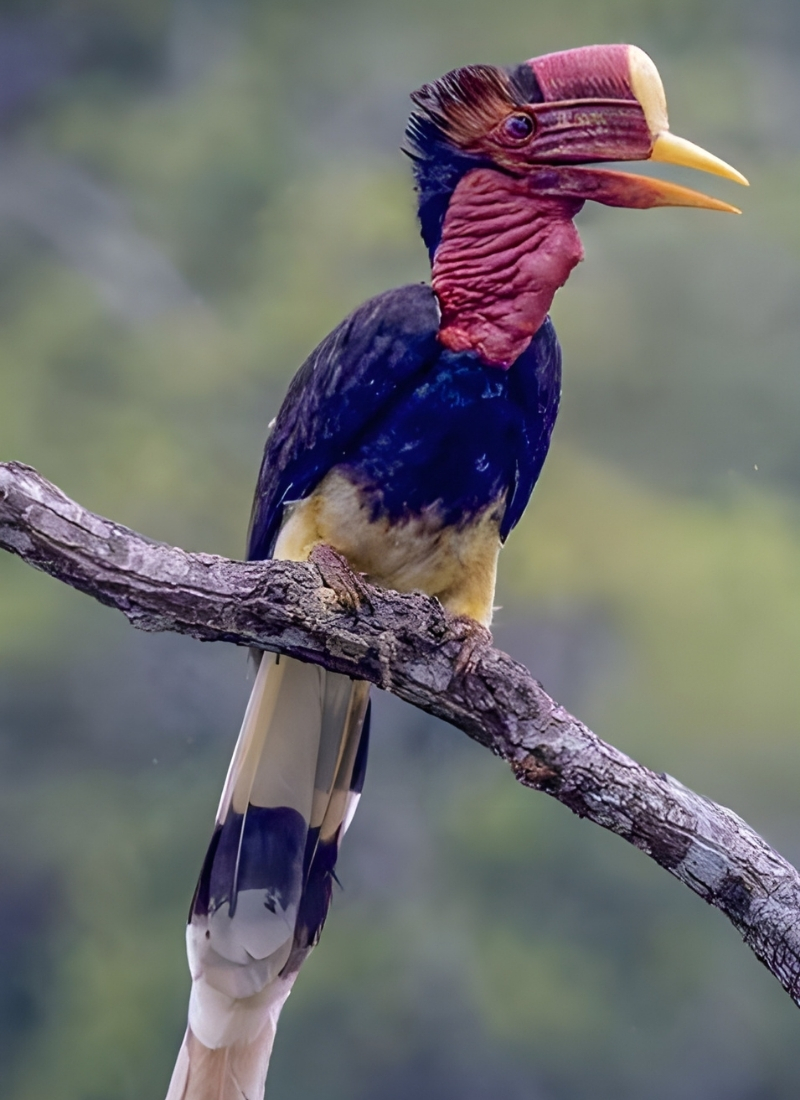
Resident Birds : Great argus, Malayan Peacock Pheasant, Helmeted Hornbill, Large Frogmouth, Cinnamon-rumped Trogon, Malayan Crested Fireback, and Malayan Crestless Fireback.
Migratory Birds (August–March) : White-throated Needletail, Silver-backed Needletail, Yellow-rumped Flycatcher, and Black Paradise Flycatcher.


Pahang Tua Paddy Fields
Species Count : +120 bird species.
Habitat : Located in the floodplain of the Sungai Pahang, the Pahang Tua area includes open grasslands, freshwater wetlands, watersheds, and rice fields.
Visitor Experience : Pahang Tua is one and a half hours from Kuantan and 30 minutes from Pekan. You can observe waterbirds on the bunds and paddy roads.
Potential Bird Sightings :
Resident Birds : Purple Heron, Grey Heron, Little Egret, Yellow Bittern, White-breasted Waterhen, Common Moorhen, White-throated Kingfisher, and Paddyfield Pipit.
Migratory Birds (August–March) : Pacific Golden Plover, Wood Sandpiper, Black-winged Stilt, Marsh Sandpiper, Eastern Yellow Wagtail, Oriental Pratincole, Barn Swallow, and Cinnamon Bittern.
Tengku Hassanal Wildlife Reserve
Species Count : +180 bird species.
Habitat : The reserve is formed from 15,000 hectares of hill and lowland rainforests. As an area of the Central Forest Spine, it facilitates the movement of wildlife throughout Peninsular Malaysia.
Visitor Experience : The reserve is about 30 minutes from Lanchang and is mainly a research and conservation area managed by the Department of Wildlife and National Park (DWNP). Because access is limited and requires authorisation, it is appropriate for research, educational visits, and guided tours.
Potential Bird Sightings :
Resident Birds : Great Argus, Gould Frogmouth, Blyth’s Frogmouth, Green Broadbill, Gold-whiskered Barbet, Crested Serpent Eagle, Large Wren Babbler, and Reddish Scops Owl.
Migratory Birds (August–March) : Asian Brown Flycatcher, Arctic Warbler, Tiger Shrike, and Grey Wagtail.