




















Perak
The state of Perak covers an area of 21,035 square kilometres and is the second largest state in Peninsular Malaysia. The second longest river in Perak after Pahang River is the Perak River. It originates in the mountains at the Perak-Kelantan-Thailand border, and joins the Straits of Malacca. Perak is also blessed with a list of amazing landscapes and tourist attractions for nature buffs and birdwatchers including pristine rivers, caves, highlands and a mix of heritage and colonial history.
Perak has 4 IBAs (MY05, MY06, MY07 and MY08) that cover the Royal Belum State Park, Matang (Kuala Gula) and Bintang Range (Bukit Larut).
- Contact Info
- Perak State Parks Corporation
- 11067, Jalan Suda Bahagia, 33300 Gerik, Perak
- Tel: 05-5253800
Ulu Kenas Forest Eco Park
Species Count : +180 bird species.
Habitat : Ulu Kenas is dominated by lowland and hill dipterocarp forests with sections of riparian vegetation along the river, bamboo patches, and secondary growth at forest edges. The variety of forest structures, from dense understory to open canopy gaps, supports a wide range of bird species.
Visitor Experience : Birdwatching at Ulu Kenas is typically done along the well-maintained forest trails and riverside paths that lead through scenic rainforest and waterfall areas.
Potential Bird Sightings :
Rufous-collared Kingfisher, Black-naped Monarch, Blue-eared Kingfisher, Green Broadbill, Raffles’s Malkoha, Greater Racket-tailed Drongo, and Helmeted Hornbill.
Migratory Birds (August–March) : Amur Paradise Flycatcher, Arctic Warbler, Mugimaki Flycatcher, Tiger Shrike, and Eastern Crowned Warbler.


Bukit Larut
Species Count : +200 bird species.
Habitat : Bukit Larut (1,250m), formerly known as Maxwell Hill, is Malaysia’s oldest hill station and is covered by a mix of lowland dipterocarp, hill dipterocarp, and submontane forests.
Visitor Experience : Birdwatching at Bukit Larut is usually done along the paved access road that winds from the base to the summit, providing excellent opportunities to spot canopy and mid-storey birds. Visitors can explore the site by walking or taking the jeep service provided by the local authorities. There are several colonial-era bungalows and guesthouses available for overnight stays.
Potential Bird Sightings :
Silver-breasted Broadbill, Mountain Imperial Pigeon, Sultan Tit, Black-and-crimson Oriole, Blue Nuthatch, and Fire-tufted Barbet.
Migratory Birds (August–March) : Western Hooded Pitta, Ashy Minivet, Mugimaki Flycatcher, Eyebrowed Thrush, White-throated Rock Thrush, and Asian Emerald Cuckoo.


Royal Belum State Park and Temenggor Forest Reserve,
Species Count : +300 bird species.
Habitat : Royal Belum and Temenggor encompass more than 300,000 hectares of pristine lowland and hill dipterocarp forests. The area is dominated by mature primary rainforests, with large tracts of old-growth canopy and riverine corridors that support a diverse range of bird life.
Visitor Experience : Birdwatching in Royal Belum and Temenggor is a remote and immersive experience, only accessible by boat from the Banding Island Public Jetty. The site is particularly famous for its hornbill spectacles, where all 10 species are found in Malaysia.
Potential Bird Sightings :
Resident Birds : Oriental Pied Hornbill, Rhinoceros Hornbill, Helmeted Hornbill, White-crowned Hornbill, Black Hornbill, Wreathed Hornbill, Plain-pouched Hornbill (July to early October), Great Hornbill, Bushy-crested Hornbill, and Wrinkled Hornbill.
Migratory Birds (August–March) : Oriental Honey Buzzard, Japanese Sparrowhawk, and Yellow-rumped Flycatcher.


Kledang Saiong Forest Eco Park
Species Count : +200 bird species.
Habitat : Kledang Saiong Forest Eco Park covers extensive areas of lowland and hill dipterocarp forests, with sections of secondary growth, riparian vegetation, and bamboo groves. The park also features forest edges and open clearings created by trails and old logging roads, that offers excellent birding opportunities across multiple forest strata.
Visitor Experience : Birdwatching at Kledang Saiong is typically done along forest trails, old logging tracks, and access roads that wind through the park’s gentle slopes and mid-elevation terrain.
Potential Bird Sightings :
Resident Birds : Rufous-collared Kingfisher, Red-naped Trogon, Banded Broadbill, Buff-rumped Woodpecker, Chestnut-breasted Malkoha, Greater Racket-tailed Drongo, and Crimson-winged Woodpecker.
Migratory Birds (August–March) : Asian Brown Flycatcher, Yellow-rumped Flycatcher, Tiger Shrike, and Eastern Crowned Warbler.


Chui Chak Paddy Fields
Species Count : +150 bird species.
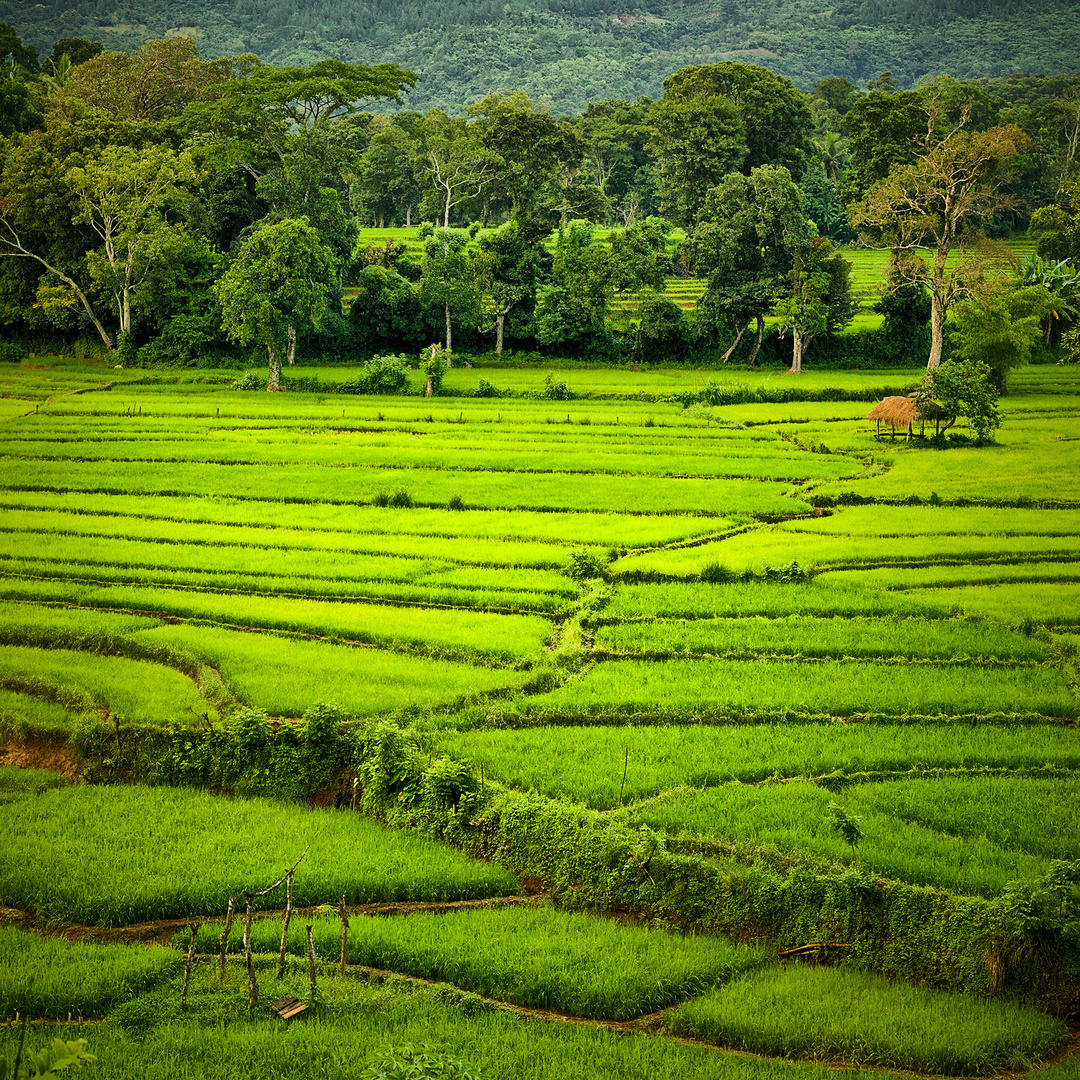
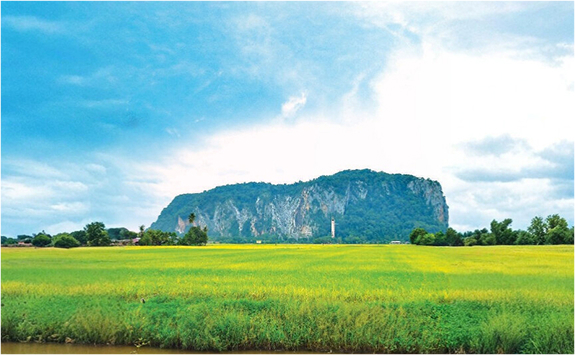
Habitat : The landscape at Chui Chak is dominated by extensive paddyfields interspersed with irrigation canals, drainage ditches, grassy bunds, and scattered patches of scrub and village edge habitats.
Visitor Experience : Birdwatching at Chui Chak is best done by slowly driving along the paddy landscape. The open and flat landscape makes bird observation easy, and photographers will find ample opportunities for close encounters with waterbirds and raptors.
Potential Bird Sightings :
Resident Birds : Slaty-breasted rail, Purple Heron, Yellow Bittern, Cinnamon Bittern, White-breasted Waterhen, Black winged Kite, Paddyfield Pipit, and Scaly-breasted Munia.
Migratory Birds (August–March) : Greater Spotted Eagle, Steppe Eagle, Wood Sandpiper, Pied Harrier, Common Snipe, Eastern Marsh Harrier, Eastern Yellow Wagtail, and Red throated Pipit.