









SABAH
Sabah
Sabah, ‘The Land Below the Wind’ as it is famously known, is located on the northern part of the Island of Borneo. It is given that name by seafarers to describe locations below the typhoon belt, and free from climatic disturbances.
- Contact Info
- Kota Kinabalu Wetland Centre
- (closed on Monday except public holiday)
- swcs@sabahwetlands.org
- sabahwetlands.org
- Crocker Range Park (Head Station Keningau)
- Tel: 019 862 0404
- Sabah Parks
- info@sabahparks.gov.my
- www.sabahparks.org.my
- Danum Valley Conservation Area - Kota Kinabalu (Head Office)
- inno@sabahholidays.com
- Danum Valley Conservation Area - Sandakan Operation
- Pegawai Penguasa (Enforcement Officer) Pejabat Hidupan Liar Daerah (District Wildlife Office)
- Rainforest Discovery Centre, Sepilok
- rdcsepilok@yahoo.com
- Tabin Wildlife Holidays Sdn. Bhd
- enquiry@tabinwildlife.com.my
- www.tabinwildlife.com.my
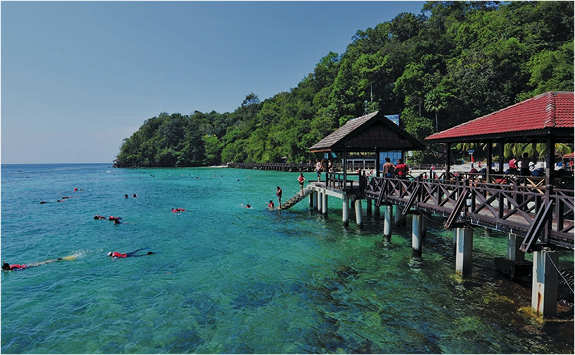
Sabah’s beautiful and breath-taking sun-kissed islands and beaches, rich marine life as well as lush hills and forests are the driving force for tourist around the world to visit this state. The state’s most iconic attraction is Mount Kinabalu, which rises into the clouds reaching a height of 4,095.2 metres, making it one of the tallest mountains in Southeast Asia and the 20th most prominent peaks in the world.
Nature buffs will have an abundant of amazing activities, as the best dive sites in the world, beautiful mountains and wonderful wildlife to explore are located in Sabah. Visitors can record some of the world’s most exquisite and exclusive species of birds.
The state has 15 Important Bird Areas (IBAs)
Kota Kinabalu
Likas Bay
Crocker Range
Coordinate: 5°48’45.9”N 116°20’16.7”E
No. of species: 237
Crocker Range Nature Park, established in 1984 and recognised as an Endemic Bird Area and IBAs (MY20), is located about 144 kilometres from Kota Kinabalu. It is the largest state terrestrial park covering an area of approximately 180,000 hectares and lays claim to having Mount Kinabalu within its enclave. Also situated within this range is Mount Alab (1,964 metres), and the forests contain submontane and montane birdlife including the globally threatened Kinabalu Serpent-eagle (Mountain Serpent-Eagle) and Bulwer’s Pheasant.
A noteworthy facility at this site is the Rafflesia Centre, which, apart from leading to trails that will offer glimpses of that mysterious Rafflesia flower, it is also known to be the playground of the endemic Bornean Bristlehead, Whitehead’s Spiderhunter, Bornean Treepie, Mountain Barbet, Bornean Barbet, Bornean Leafbird and Bornean Bulbul.
Kinabalu Park
Coordinate: 6°00’21.3”N 116°32’33.2”E
No. of species: +300 bird species.
Habitat: A UNESCO World Heritage Site, Kinabalu Park covers lowland dipterocarp forests, submontane and montane forests, oak-laurel forests, and subalpine scrubs near the summit of Mount Kinabalu. The variation in altitude creates distinct ecological zones, each hosting unique bird assemblages.
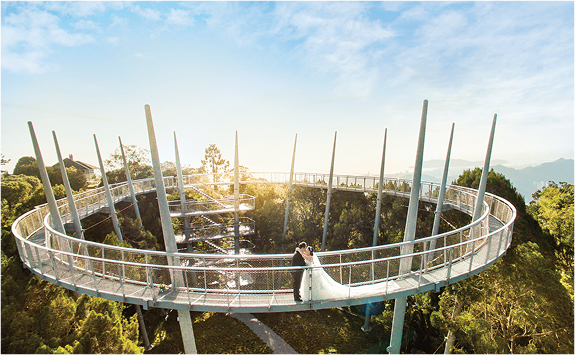
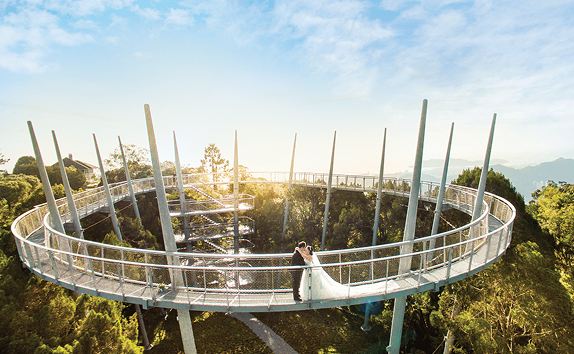
Visitor Experience: Kinabalu Park is highly accessible and well developed, with trails, canopy walks, and visitor facilities that includes accommodation, restaurants, and an education centre. Birdwatching can be done along roadsides, garden areas, and forest trails. The park is famous among birders for highland specialties that are difficult to see elsewhere.
Potential Bird Sightings:
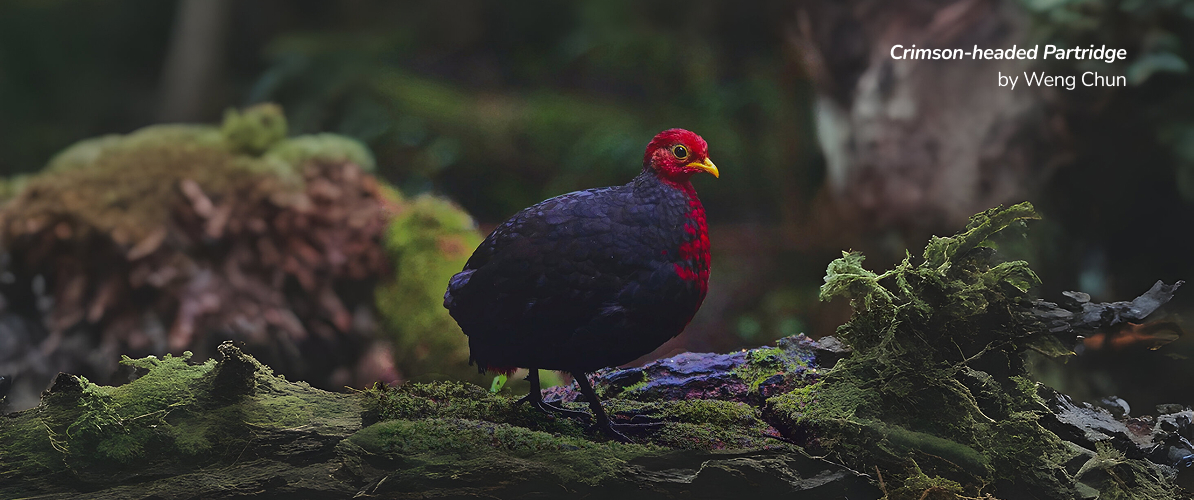
Resident Birds: Whitehead’s Trogon, Whitehead’s Broadbill, Whitehead’s Spiderhunter, Mountain Black-eye, Friendly Bush Warbler, Crimson-headed Partridge, Fruit-hunter, and Bornean Whistler.
Migratory Birds (August–March): Eyebrowed Thrush, Mugimaki Flycatcher,, Grey-streaked Flycatcher, Arctic Warbler, and Blue-and-White Flycatcher.
Danum Valley Conservation Area
Coordinate: 5°01’11.9”N 117°44’47.9”E
No. of species: +300 bird species.
Habitat: Danum Valley features primary lowland dipterocarp rainforests, riverine forests, and montane forests at higher elevations. The diversity of habitats supports a wide range of forest specialists, canopy dwellers, and migratory birds.
Visitor Experience: Access is via Lahad Datu, followed by a 1–2 hour drive to the conservation area. Accommodation is available at eco-lodges with basic facilities. Birding trails, canopy walkways, and river tours allow visitors to experience both the understory and canopy layers. Guided tours are mandatory.
Potential Bird Sightings:
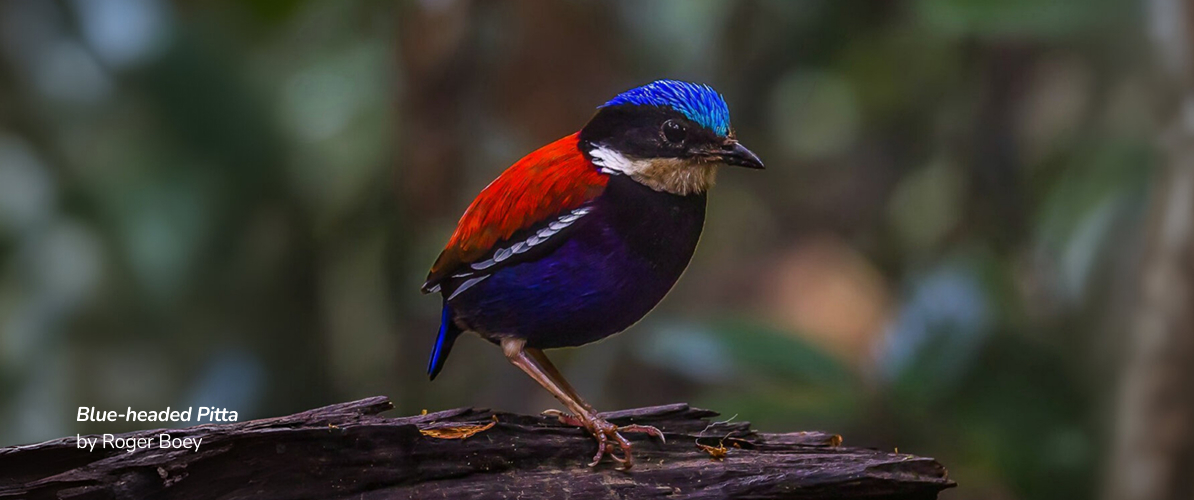
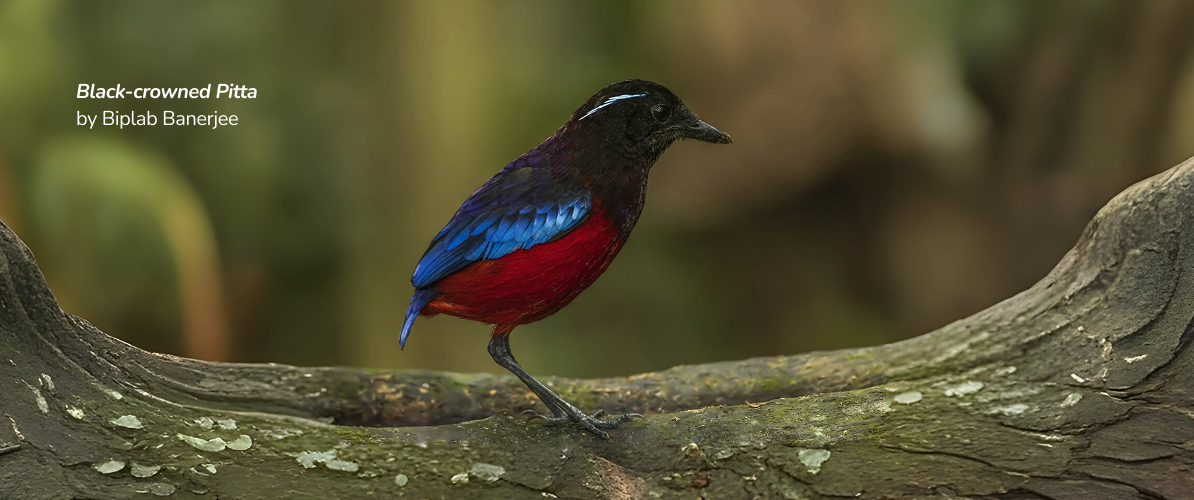
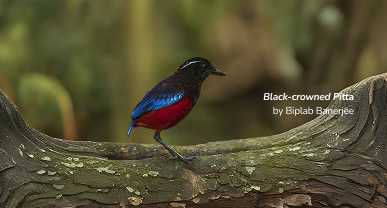
Resident Birds: Bornean Crested Fireback, Sabah Partridge, Blue-headed Pitta, Black-crowned Pitta, Chestnut-breasted Malkoha, and White-fronted Falconet.
Migratory Birds (August–March): Narcissus Flycatcher, Dark-sided Flycatcher, Mugimaki Flycatcher, and Asian brown Flycatcher.
Kinabatangan River
Coordinate: 5°30’33.5”N 118°17’06.8”E
No. of species: +250 bird species.
Habitat: The Kinabatangan River meanders through lowland dipterocarp forests, freshwater swamp forests, oxbow lakes, and riparian areas. This mosaic of habitats provides ideal foraging, nesting, and roosting grounds for a wide variety of birds as well as other wildlife like orangutans and Proboscis Monkeys.
Visitor Experience: The river is accessible via Sandakan or Kinabatangan lodges, with boat tours being the primary method of exploring the area. Local guides enhance the experience by spotting cryptic and rare species. Accommodations range from rustic lodges to eco-resorts.
Potential Bird Sightings:
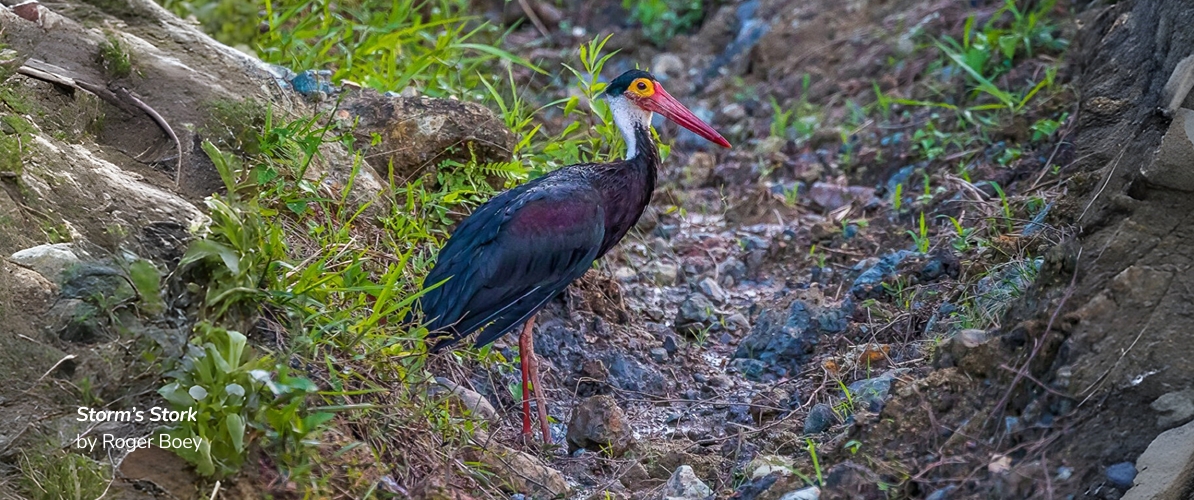
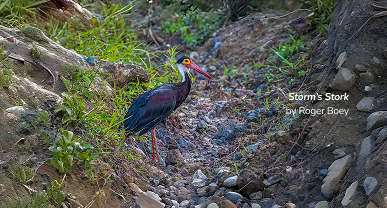
Resident Birds: Storm’s Stork, Rhinoceros Hornbill, Bat Hawk, Straw-headed Bulbul, Wallace’s Hawk-Eagle, and Bornean Ground-Cuckoo.
Migratory Birds (August–March): Barn Swallow, Yellow-rumped Flycatcher, Rainbow Bee-eater, and Scared Kingfisher.
Gomantong Caves
Coordinate: 5°31’50.4”N 118°04’31.2”E
No. of species: 269
Sepilok (Kabili-Sepilok) Forest Reserve and Orang Utan Centre
Coordinate: 5°51’53.8”N 117°56’57.5”E
No. of species: 322
Sepilok Forest Reserve and Orang Utan Centre is made up of 60 square kilometres of primary lowland rainforest, but visitors may also explore the surrounding gardens and canopy walk at the Rainforest Discovery Centre, which received its IBAs designation in 2009, (MY29). Accessible with only a 45-minute drive from Sandakan, it is a recognised landmark the world over for its orangutan rehabilitation programme and the sanctuary, established in 1964.
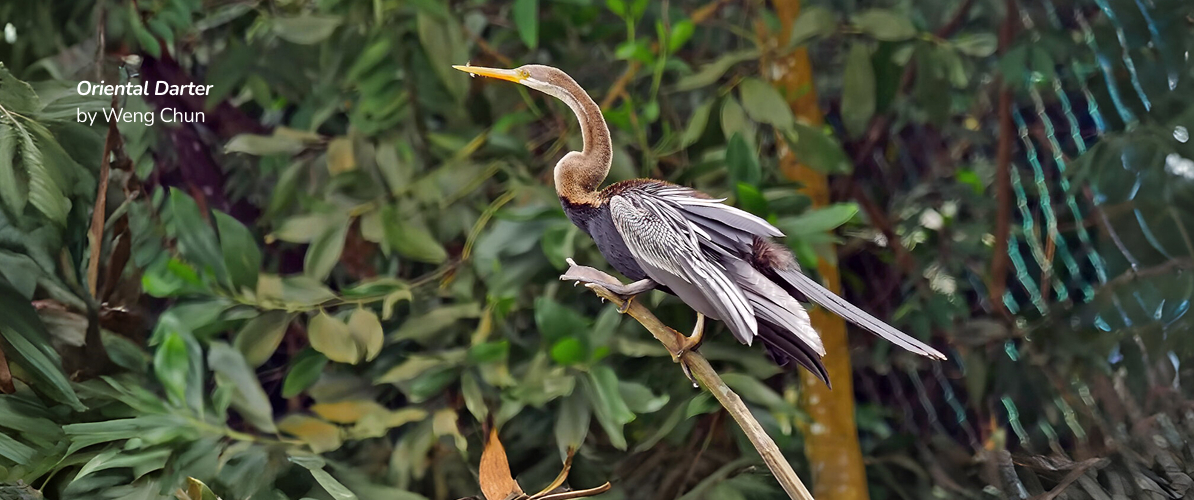
Those wishing to venture further can take a two-hour walk to the mangroves in Sandakan Bay to look for forest understorey birds or walk along the canopy walkway to view birds and wildlife. Due to its location and size, this site hosts a myriad of endemic and interesting birds such as the Bornean Bristlehead, Blueheaded Pitta, White-fronted Falconet, Whitecrowned Shama, Wallace’s Hawk-eagle, Oriental Darter, Great Argus, Rufous-collared Kingfisher, Malay Blue-banded Kingfisher (Blue-banded Kingfisher), Brown-backed Needletail, Velvet-fronted Nuthatch, 7 species of hornbills and many more.
Tabin Wildlife Reserve
Coordinate: 5°16’00.0”N 118°42’00.0”E
No. of species: +300 bird species.
Habitat: Tabin spans 120,500 hectares of lowland, swamp, and regenerating forests in eastern Sabah. Its size and habitats support diverse birds and iconic mammals like orangutans and Borneo Pygmy Elephants.
Visitor Experience: Birdwatching in Tabin is rewarding due to its mix of rare lowland species and Bornean endemics. Visitors can explore trails, riverbanks, mud volcanoes, and canopy areas. The Tabin Wildlife Resort provides lodging, guided tours, and night safaris.
Potential Bird Sightings:
Resident Birds: Black-crowned Pitta, Bornean Ground Cuckoo, Blue-headed Pitta, Giant Pitta, White-fronted Falconet, Rhinoceros Hornbill, Helmeted Hornbill, and Bornean Black Magpie.
Migratory Birds (August–March): Oriental Honey Buzzard, Asian Brown Flycatcher, and Barn Swallow.
Tanjung Aru Beach
No. of species: +180 bird species.
Habitat: Coastal beach with casuarina trees, palm trees, roadside vegetation nearby mangroves, and some land- scaped park areas (Prince Philip Park, Perdana Park) at the edge of Kota Kinabalu.
Visitor Experience: Best times are near dawn or early morning for quieter activity, and also late afternoon for the parrot activity and sunset. Birdwatching can be done from the beach, among trees, at the park edges, and in casuarina groves.
Potential Bird Sightings:
Resident Birds: Blue-naped Parrot, Long-tailed Parakeet, White-breasted Woodswallow, Green Imperial-Pigeon, Ori-ental Magpie-Robin, and Dusky Munia.
Migratory Birds (August–March): Grey-streaked Flycatcher, Gull-billed Tern, and White-winged Tern.
Rainforest Discovery Centre (RDC)
No. of species: +350 bird species.
Habitat: RDC is located within the protected lowland dipterocarp rainforests of the Sepilok Forest Reserve. The area includes forest trails, a canopy walkway, and freshwater streams that provide diverse habitats for understory and canopy species.
Visitor Experience: RDC is easily accessible from Sandakan and offers well-maintained trails and a canopy walkway for elevated viewing. Guided tours are available and highly recommended for better bird identification. Sepilok Orangutan Rehabilitation Centre and the Bornean Sun Bear Conservation Centre are also nearby if you’d like to visit.
Potential Bird Sightings:
Resident Birds: Bornean Bristlehead, Black-and-yellow Broadbill, Rhinoceros Hornbill, Blue-headed Pitta, Cream- eyed Bulbul, Ventriloquial Oriole, and Sabah Partridge.
Migratory Birds (August–March): Grey-streaked Flycatcher, Blue and White Flycatcher, Dark-sided Flycatcher, and Asian Brown Flycatcher.
Maliau Basin Conservation Area
No. of species: +200 bird species.
Habitat: The Maliau Basin Conservation Area contains a rich variety of forest types, primarily consisting of lower montane forests, rare montane heath forests, and lowland to hill dipterocarp forests. The lower montane forest, characterized by towering Agathis spp. along with oaks, laurels, and conifers like Dacrydium spp., gradually transitions into mossy cloud forests along the northern rim.
Visitor Experience: Access is challenging, usually via a combination of road transport and multi-day treks. Accommodation is limited to basic eco-lodges and camps Apiq White fronted within the conservation area. Birdwatching trails include both lowland walks and higher elevation routes. Early mornings offer the best bird activity. Local guides are essential for finding rare species and navigating the area safely
Potential Bird Sightings:
Resident Birds: Sabah Partridge, Helmeted Hornbill, Brown barbet, White-fronted Falconet, and Blue-headed Pitta.
Migratory Birds (August–March): Dark-sided Flycatcher, Siberian Blue Robin, and Grey Wagtaill.
Mount Trusmadi
No. of species: +250 bird species.
Habitat: Mount Trusmadi features five different types of vegetations —lowland mixed dipterocarps, hill mixed dipterocarp forests, lower montane forests, upper montane forests and summit scrubs.
Visitor Experience: There are bird hides in the Trusmadi area located around ~1,300m elevation, which are useful for observing submontane & lower montane bird species, including the Bulwer’s Pheasant.
Potential Bird Sightings:
Resident Birds: Bulwer’s Pheasant, Crested Partridge, Red-breasted Partridge, Bornean Banded Pitta, Grey-hooded Babbler, Temminck’s Babbler, and Black-throated Wren Babbler.
Migratory Birds (August–March): Dark-sided Flycatcher, Narcissus Flycatcher, and Blue-and-white Flycatcher.
Tawau Hills Park
No. of species: +250 bird species.
Habitat: Lush dipterocarp forest vegetation and lianas cover the lower regions giving way to thick damp mossy forests as the altitude gets higher and temperatures get cooler.
Visitor Experience: Tawau Hills Park is accessible from Tawau town via a short drive. Birdwatching trails range from easy walks to moderate hikes.
Potential Bird Sightings:
Resident Birds: Blue-headed Pitta, Rhinoceros Hornbill, Bold-striped Tit Babbler, and Rufous-backed Dwarf-kingfisher.
Migratory Birds (August–March): Siberian Blue Robin, Asian Brown flycatcher, and Dark-sided Flycatcher.
Poring Hot Springs
No. of species: +300 bird species.
Habitat: Poring Hot Springs is located within the Kinabalu Park lowland and hill dipterocarp forests. The area features hot springs, canopy walkways, and riverine habitats, providing diverse environments for forest and riparian bird species.
Visitor Experience: The site is easily accessible from Kinabalu Park headquarters. Birdwatching can be done along the well-maintained trails, canopy walkways, and near the river. Early morning is the best time to spot forest and canopy birds. Facilities include accommodations, public hot springs, and picnic areas
Potential Bird Sightings:
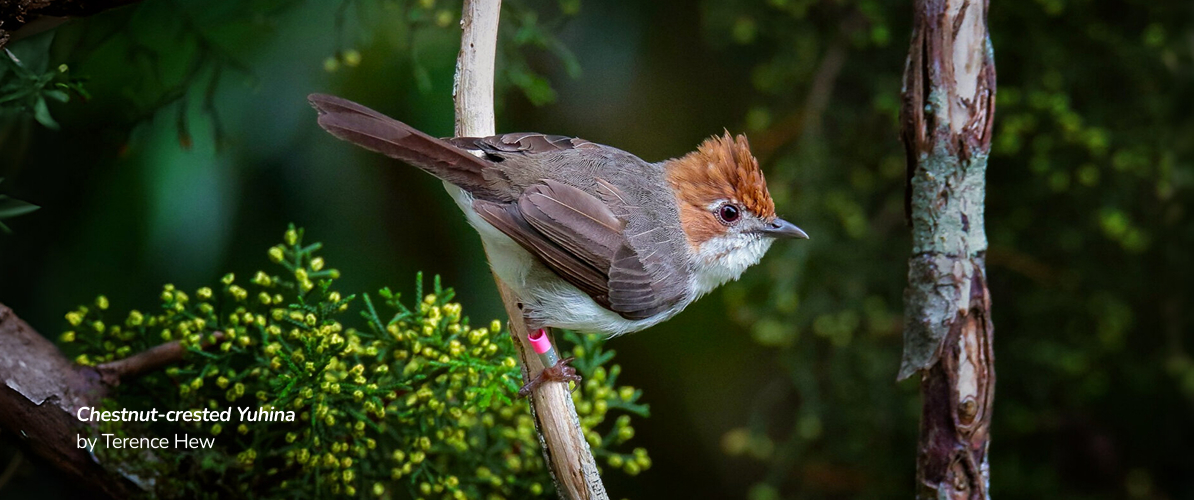
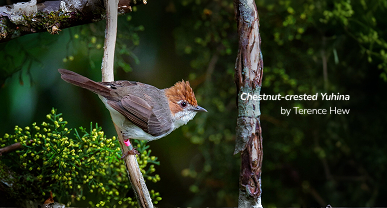
Resident Birds: Hose’s Broadbill, Blue-banded Pitta, Bornean Leafbird, Chestnut-crested Yuhina, and Charlotte’s Bulbul.
Migratory Birds (August–March): Siberian Blue Robin, Narcissus Flycatcher, and Mugimaki Flycatcher.
Gomantong Forest Reserve
No. of species: +260 bird species.
Habitat: The Gomantong Forest Reserve consists of lowland dipterocarp forests, limestone karst formations, and riverine areas. The caves and surrounding forest provide unique habitats for cave-dwelling birds and forest specialists.
Visitor Experience: Visitors can explore forest trails and boardwalks leading to cave entrances. Early morning is ideal for birdwatching, especially near rivers and forest edges. Guided tours are recommended for spotting cave-nesting Chestnut-crested Yuhina Yuhina everetti swiftlets and elusive forest birds. Facilities are basic but adequate for day visits. At dusk, the Bat Hawk hunts bats emerging from the cave.
Potential Bird Sightings:
Resident Birds: Bat Hawk, Oriental Pied-Hornbill, Wallace’s Hawk-Eagle,Black-nest Swiftlet, White-nest Swiftlet, Mossy-nest Swiftlet, and Plume-toed Swiflet.
Migratory Birds (August–March): Arctic Warbler, Asian brown Flycatcher, and Grey-streaked Flycatcher.
Paya Maga Highlands
No. of species: +250 bird species.
Habitat: Elevation ranges from 300m to 1,860m, spanning secondary lowland forests, mixed dipterocarp forests, and unique montane heath forests at the summit plateau. The variety of forest types supports a high diversity of resident and migratory birds.
Visitor Experience: Paya Maga Highlands is remote and challenging to access. From Lawas, visitors usually travel about three hours by 4WD followed by a three-to-four-hour trek to reach the highlands. Facilities are basic, with rustic camping shelters such as Black Oriole Camp. Local guides are strongly recommended.
Potential Bird Sightings:
Resident Birds: Black Oriole, Bornean Frogmouth, Hose’s Broadbill, Whitehead’s Broadbill, Mountain Barbet, Bornean Barbet, Bornean Leafbird, and Bornean Bulbul.
Migratory Birds (August–March): Eyebrowed Thrush, Grey-streaked Flycatcher, Dark-sided Flycatcher, Arctic Warbler, and Eastern-crowned Warbler.
Gunung Mulu National Park
No. of species: +270 bird species.
Habitat: Mulu National Park encompasses lowland rainforests, limestone caves, karst pinnacles, and montane forests. The park is also a UNESCO World Heritage Site, recognized for its biodiversity and unique geological features.
Visitor Experience: Mulu is accessible via short flights from Miri or long overland trips. Facilities include eco-lodges and basic accommodation near the park headquarters. Guided tours are recommended for locating rare species.
Potential Bird Sightings:
Resident Birds: Black Oriole, Mountain Barbet, Bornean Leafbird, Diard’s Trogon, and Golden-naped Barbet.
Migratory Birds (August–March): Eyebrowed Thrush, Dark-sided Flycatcher, Arctic Warbler, and Yellow-rumped Flycatcher.
Buntal Bay
No. of species: +120 bird species.
Habitat: Buntal Bay features extensive mudflats and mangrove forests. These habitats provide rich foraging grounds for shorebirds, herons, egrets, and kingfishers, while mangroves shelter resident passerines and raptors.
Visitor Experience: Buntal Bay is moderately accessible by road from Kuching, with birdwatching best done during low tide when mudflats are exposed. Visitors can walk along simple trails or hire local boat guides to explore channels and mangrove patches. The area is ideal for both casual birders and photographers.
Potential Bird Sightings:
Resident Birds: Common Iora, Collared Kingfisher, White-bellied Sea Eagle, and Little Egret.
Migratory Birds (August–March): Nordmann’s Greenshank, Far Eastern Curlew, Chinese Egret, and Chinese Crested Tern.
Kubah National Park
No. of species: +180 bird species.
Habitat: Kubah National Park consists of lowland dipterocarp forests, hill dipterocarp forests, and freshwater streams. The park is also known for its rich biodiversity of palms, ferns, and orchids, which creates a lush environment that supports a variety of bird species.
Visitor Experience: The park is a short drive from Kuching and offers well-marked birdwatching trails for all levels. Local guides are available, while facilities include picnic areas and basic amenities.
Potential Bird Sightings:
Resident Birds: Bornean Frogmouth, Bornean Black Magpie, Bornean Blue Flycatcher, Yellow-rumped Flowerpecker, Red-naped Trogon, and Gold-whiskered Barbet.
Migratory Birds (August–March): Siberian Blue Robin, Tiger Shrike, Brown Shrike, and Blue-and-white Flycatcher.